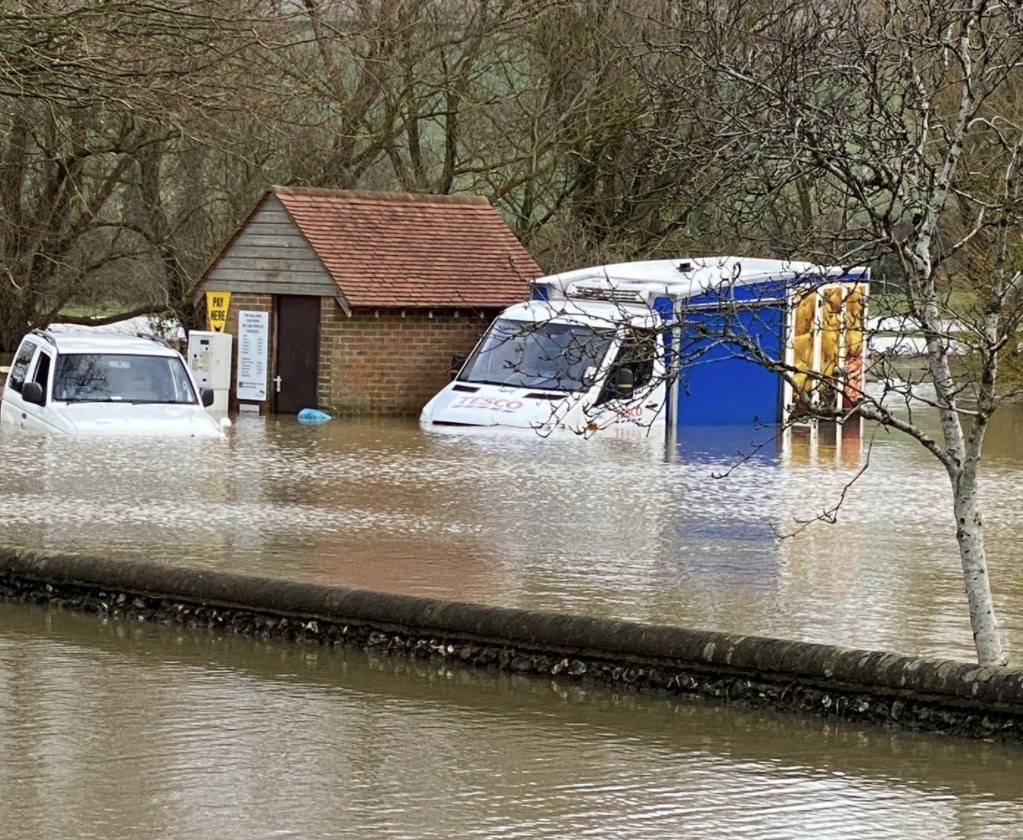
After a long period of drought in the UK we are now starting to experience heavy rain falls which has already led to flooding across parts of the country. Flooding can have a significant impact so understanding your flood risk is an important part of making sure you have the right protection in place.
What causes flooding?
Flooding can occur in a number of ways, and the level of warning available can vary considerably depending on the cause.
Flash flooding can happen following short periods of extremely heavy rainfall. When rain falls faster than the ground and drainage systems can absorb or remove it, water can build up very quickly. Roads can become flooded, vehicles may be swept away and water can enter homes and commercial premises. Flash floods can be particularly dangerous because there may be very little time between the rainfall starting and flooding occurring.
River and surface-water flooding can follow prolonged periods of heavy or widespread rainfall. Even relatively small streams, drainage channels and areas of low-lying ground can become significant flood hazards during periods of extreme weather.
Coastal flooding can occur when heavy rainfall coincides with high tides, storm surges or severe coastal weather. Properties near the coast or in low-lying areas may therefore face an increased risk.
Know your flood risk
Flooding isn’t limited to properties immediately beside a river or the sea, so it is particularly important to understand your exposure to flood risk.
Even areas that appear completely safe during normal weather conditions can become vulnerable during periods of extreme rainfall.
As an insurance broker, we recommend checking your property’s flood risk and discussing any concerns with us when arranging or reviewing your insurance. Flood risk can be an important consideration when assessing the availability and terms of cover.
Met Office weather warnings
The Met Office provides up-to-date weather information and warnings through its National Severe Weather Warning Service.
Weather warnings are issued using a Green, Yellow, Amber or Red system, based on both the likelihood of severe weather occurring and the potential impact it could have.
We recommend checking the Met Office forecast regularly, particularly during periods of unsettled or extreme weather.
What should you do if flooding is expected?
If your property is at risk, don’t wait until floodwater arrives before taking action. Where possible:
- Monitor local weather and flood warnings.
- Move vehicles, equipment and valuables to a safe location.
- Protect important documents and electrical equipment.
- Follow advice from emergency services and local authorities.
- Avoid driving or walking through floodwater.
- Keep your insurer or insurance broker’s contact details readily available.
- If your property is affected, contact your insurer as soon as it is safe to do so and follow their claims guidance.
Flooding can cause significant damage and disruption, but being prepared can make a real difference.
If you’re concerned about your property’s flood risk or want to review whether your current insurance provides appropriate protection, then please speak with opne of our experts. We can help you understand your cover, identify potential gaps and discuss the options available to you.